

Creativity is not a constant state of inspiration.
It is a cycle of exploration, uncertainty, clarity, and refinement.
Understanding this rhythm allows creative work to feel sustainable rather than exhausting.
Behind every finished piece is a process filled with false starts, revisions, and moments of doubt.
These moments are not failures — they are part of the work.
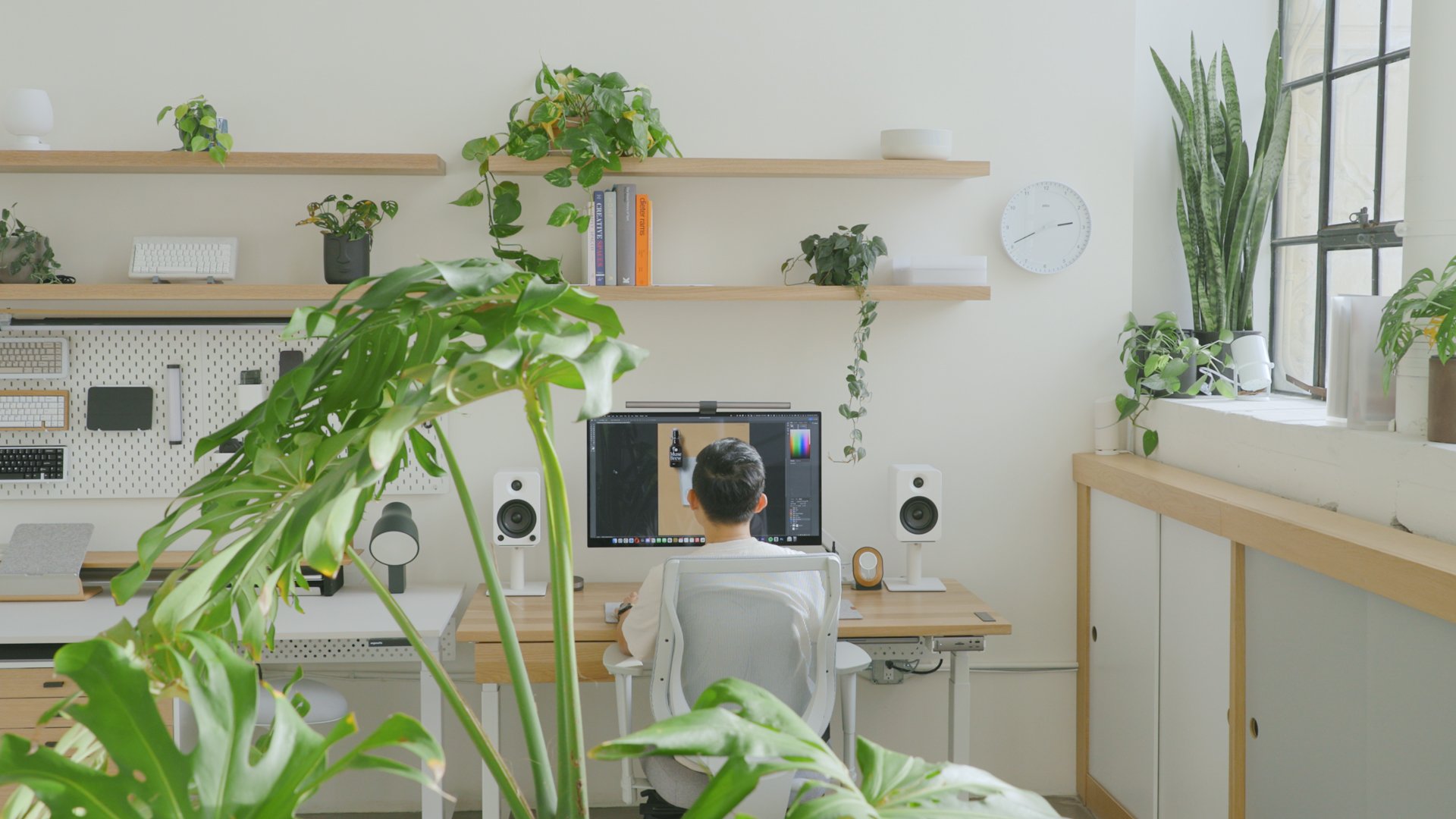
Embracing the Mess
Early stages of creativity are rarely clean.
Ideas overlap.
Directions change.
Clarity emerges slowly.
Designers who accept this mess move forward with less resistance.
Progress comes from iteration, not immediate perfection.
Protecting Creative Energy
Rest is not a reward — it is a requirement.
Sustainable creativity depends on boundaries, recovery, and reflection.
Explore More Articles
A brand is not a logo.
It is a system of decisions repeated consistently over time.
From language and tone to visual expression and behavior, every interaction shapes perception.

Intentional branding begins with clarity.
Without a clear understanding of purpose and audience, visual identity becomes decoration rather than communication.
Clarity Before Creativity
Before choosing colors or typography, brands must answer fundamental questions.
Who are we?
Who are we for?
What do we stand for?
When these answers are clear, creativity has direction.
Design becomes a tool for expression rather than experimentation without meaning.

Consistency Builds Trust
Trust is built through familiarity.
When audiences encounter the same tone, style, and values across touchpoints, confidence grows.
Consistency is what turns recognition into trust.
Intentional brands resist unnecessary change.
They evolve slowly, thoughtfully, and with purpose.
Explore More Articles
White space is often misunderstood as unused or wasted space.
In reality, it is one of the most active elements in any design system.
Space defines relationships, creates emphasis, and improves comprehension.

Without adequate spacing, content collapses into noise.
Users must work harder to separate ideas, identify structure, and find meaning.
White space does the opposite — it clarifies.
Breathing Room for Content
When content is given room to breathe, it becomes more readable.
Paragraphs feel lighter.
Headings feel intentional.
Calls to action stand out without shouting.
This breathing room reduces cognitive load.
Users can scan, pause, and return without losing context.
Luxury and Confidence
Many premium brands rely heavily on white space.
This is not coincidence.
Space communicates confidence.
It signals that content does not need to compete for attention.
Space is the pause that gives meaning to what surrounds it.
Designers who understand spacing design for comfort, not density.
And comfort keeps users engaged longer.