

A hospitality space is judged in the first ten seconds and tested every day for the next ten years.
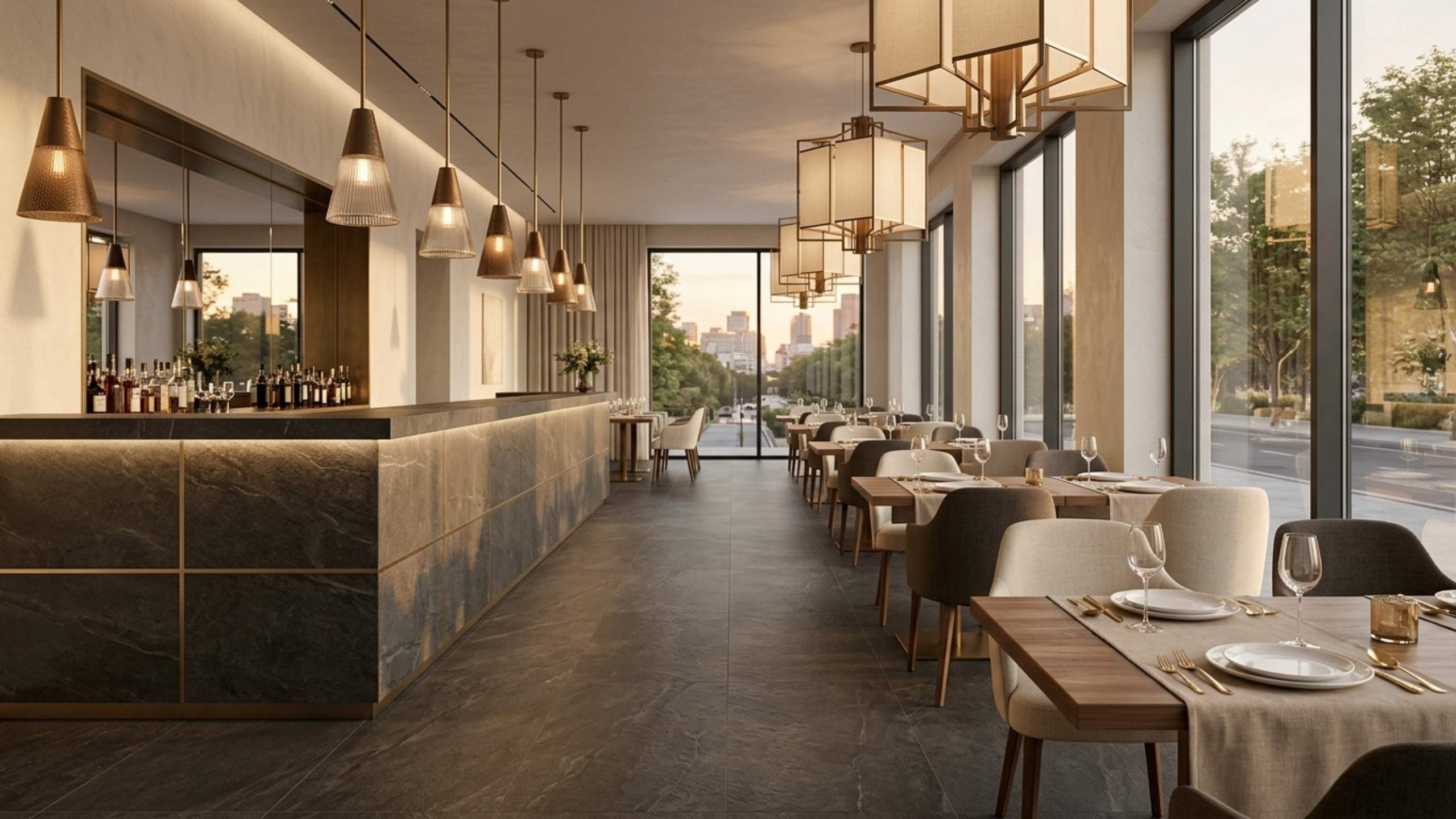
Hotels, restaurants and bars ask more of a surface than almost any other setting. Thousands of footsteps, rolling luggage, spilled drinks, aggressive cleaning regimes and constant changes in light, all while the space is expected to look as composed on day one thousand as it did on opening night.
For architects and designers, the brief is rarely a choice between beauty and performance. The best-resolved venues deliver both, and that comes down to specifying with the full life of the surface in mind: how it will be walked on, cleaned, lit and maintained long after the photographs are taken.
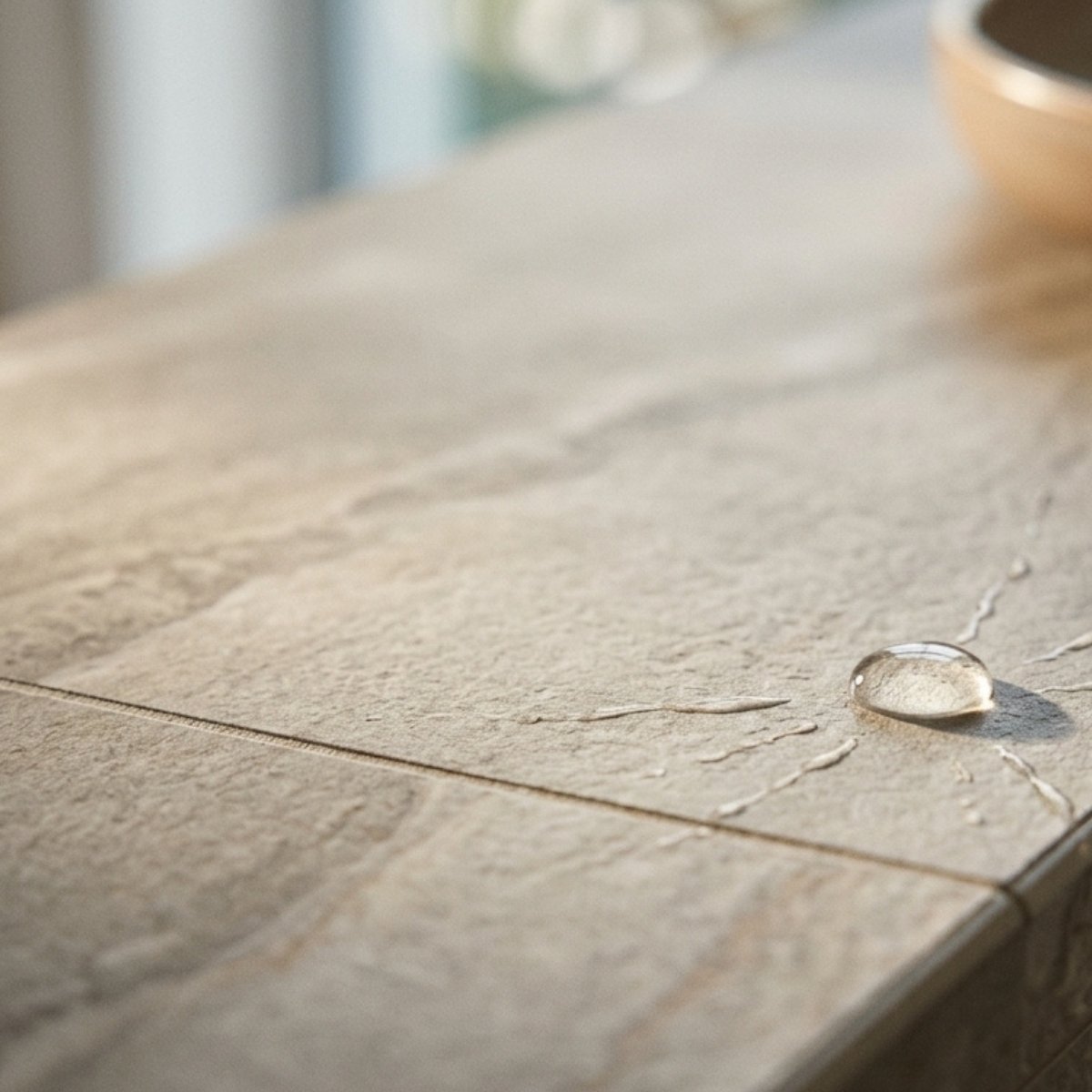
In hospitality, a material is only as good as it looks after the thousandth service.
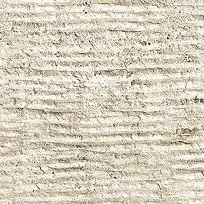
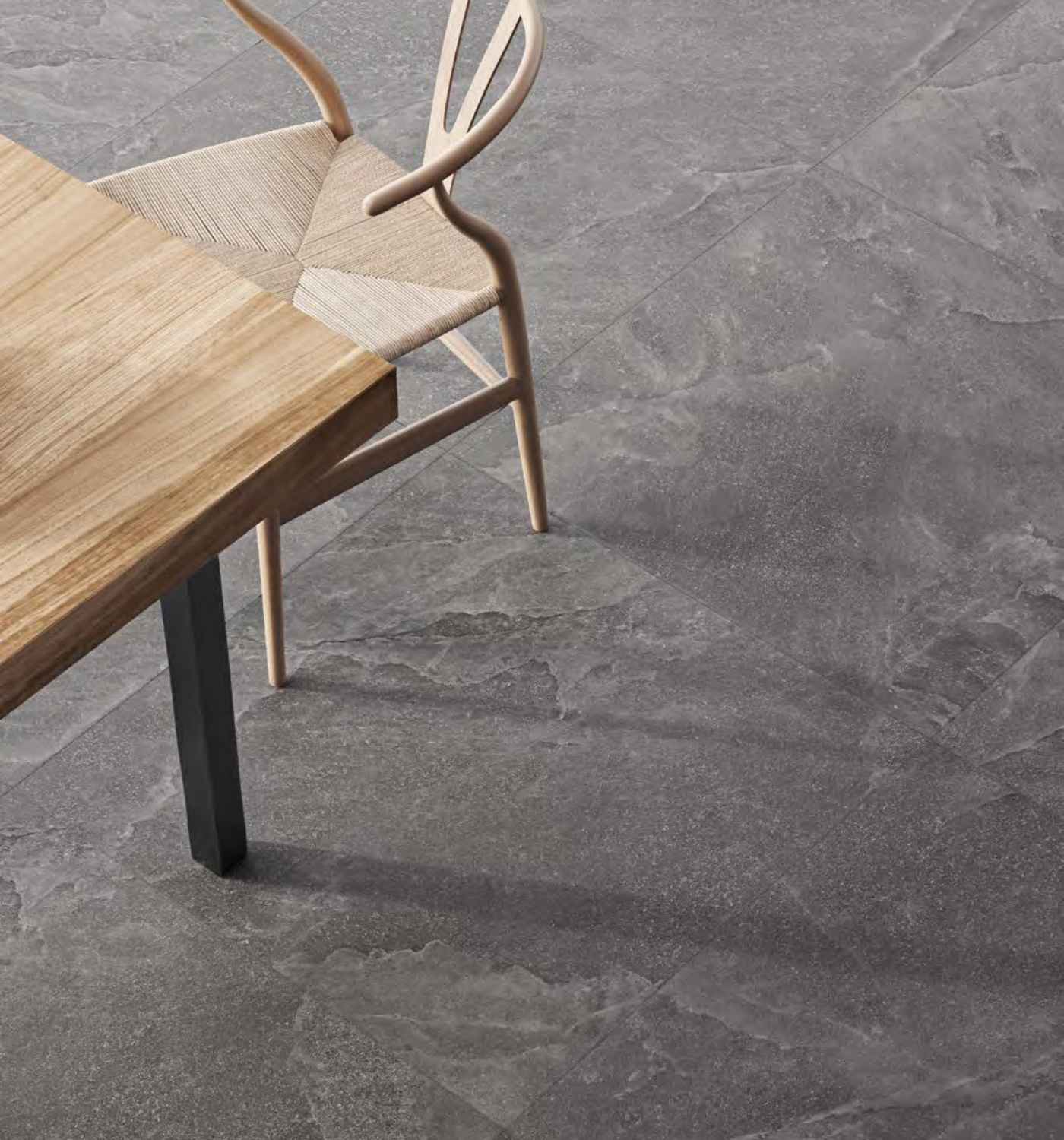
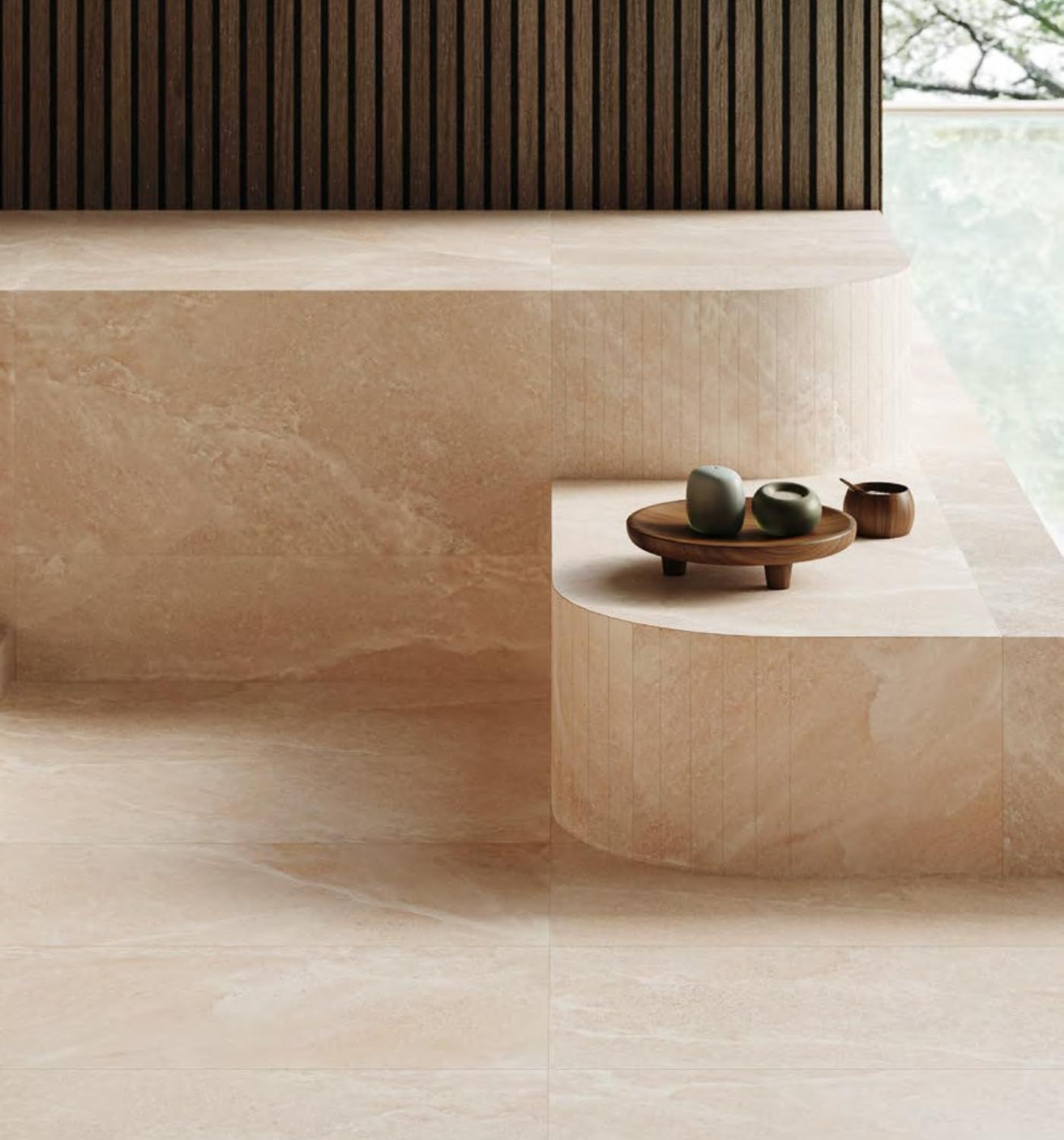
Porcelain has become the foundation of commercial specification: dense, low in porosity, and resistant to staining, abrasion and the chemicals used in daily cleaning. Large-format slabs reduce grout lines, which means fewer places for dirt to settle and a more continuous, premium read across lobbies, dining rooms and bar fronts. Slip performance deserves attention from the outset, with higher-grip finishes in kitchens, entries, pool decks and wet areas, and refined surfaces reserved for lower-risk zones. Natural stone still has its place in feature walls, reception desks and statement floors, provided sealing and maintenance are planned into the operation. Getting these decisions right early also protects the programme: tested products, accurate quantities and reliable supply keep a fit-out on schedule.
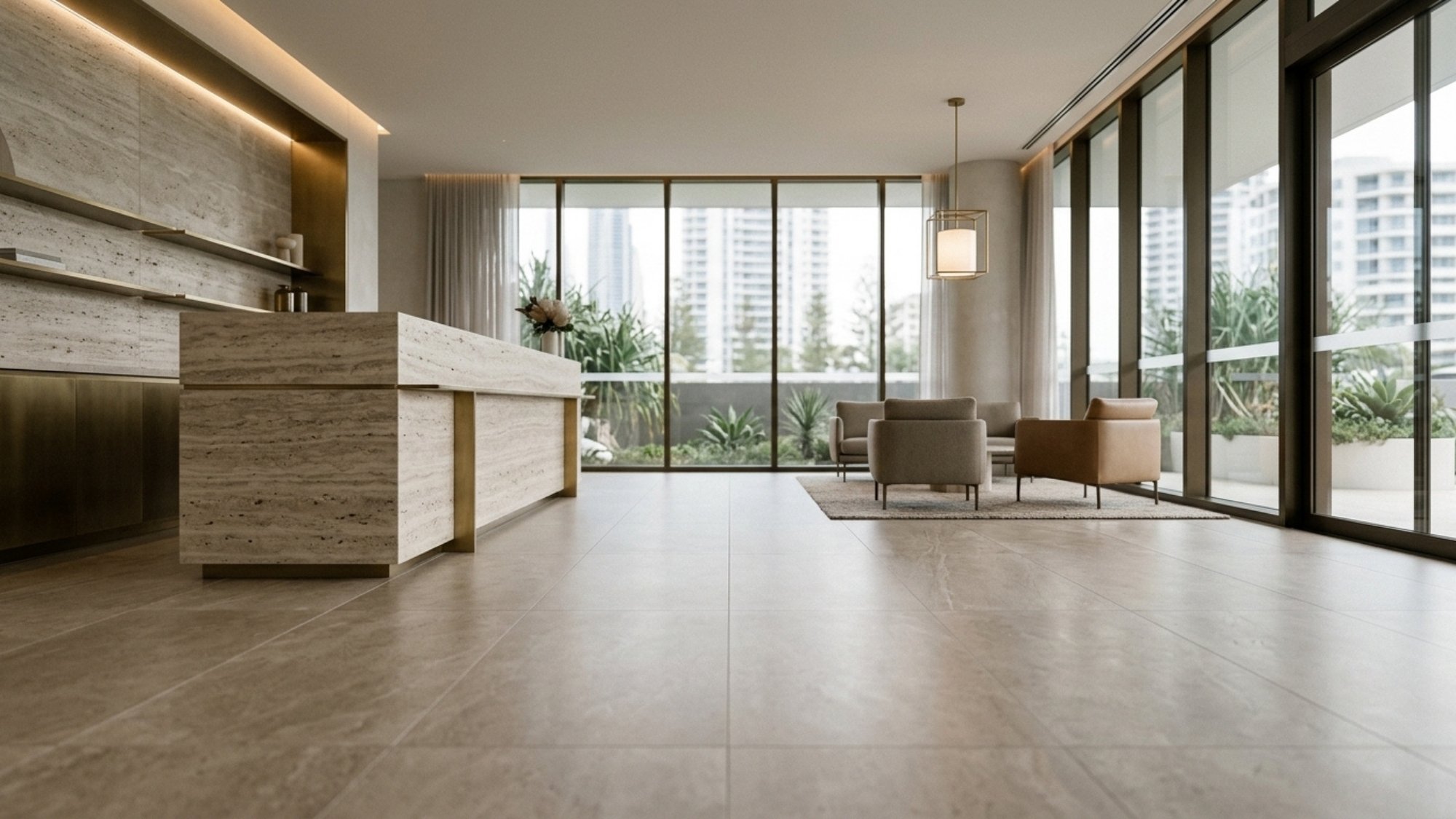
Specified well, a hospitality surface earns its keep quietly. Match each finish to the demands of its zone, plan for cleaning and care from the start, and let the material carry the atmosphere so the guest remembers the space, not the floor.