

Finish is the quietest decision in a bathroom, and often the one that shapes it most.
Two identical tiles, one matt and one polished, will behave like two different materials. One absorbs light and softens the room; the other returns it, deepening colour and extending the space. Choosing between them is a question of how the bathroom will be used, lit and lived in.
For architects and designers, the conversation has moved beyond preference. It is about performance underfoot, how a surface reads under artificial light, and how it will look after years of steam, soap and daily use.

A finish should be chosen for how the room will be used, not only for how it looks on the day it is photographed.
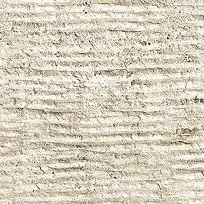
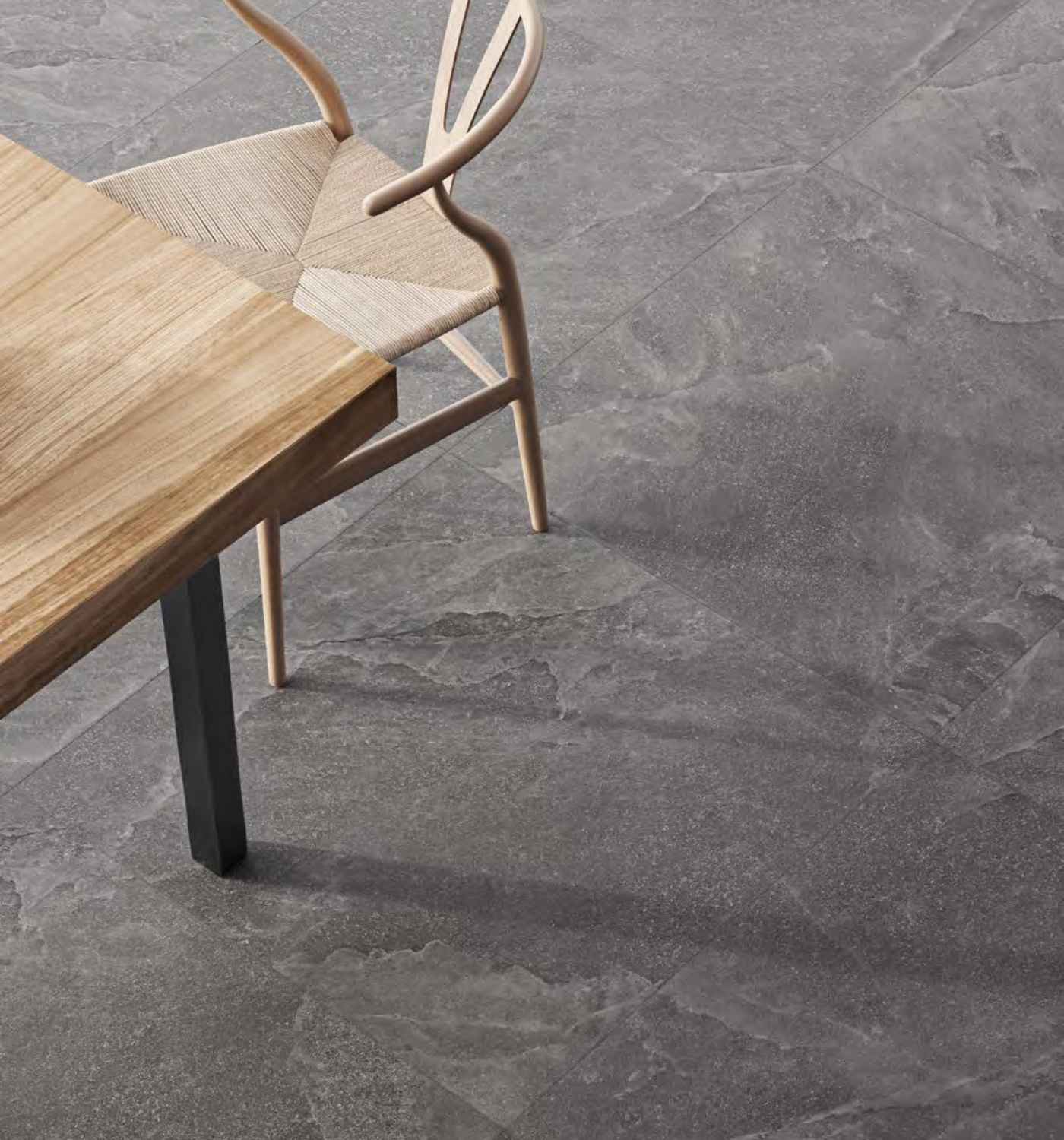
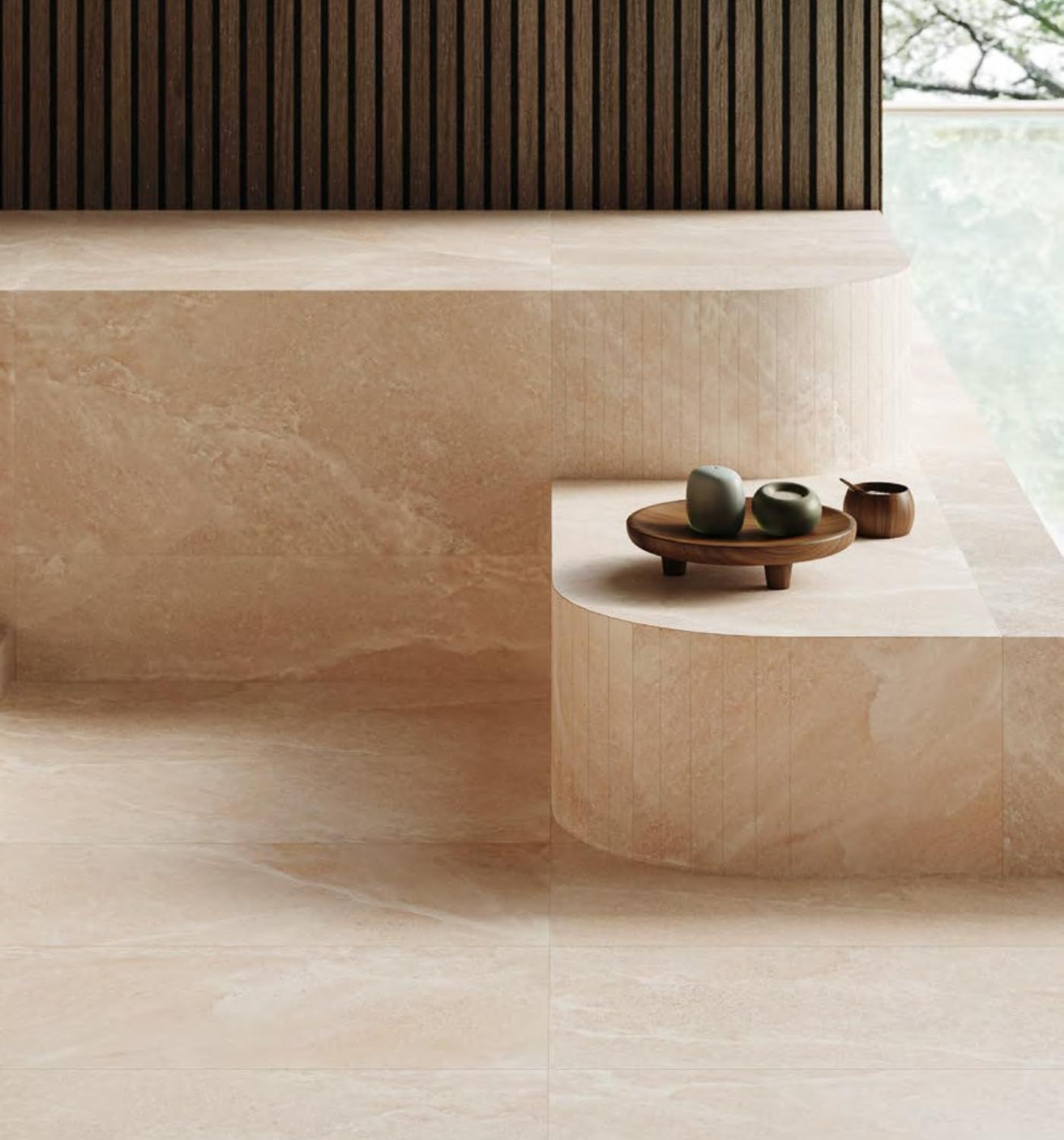
Polished surfaces suit walls, vanity backdrops and feature panels, where reflectivity adds depth and a sense of luxury. On floors and in wet zones, matt and textured finishes earn their place, offering the grip that safety and compliance require while hiding water marks and limescale better. Between the two sits the honed or satin finish: a soft, low-sheen surface that keeps the richness of stone without the glare. Increasingly, the most resolved bathrooms combine finishes within a single material, polished on the wall and matt on the floor, so the tone stays continuous while each surface does its job.
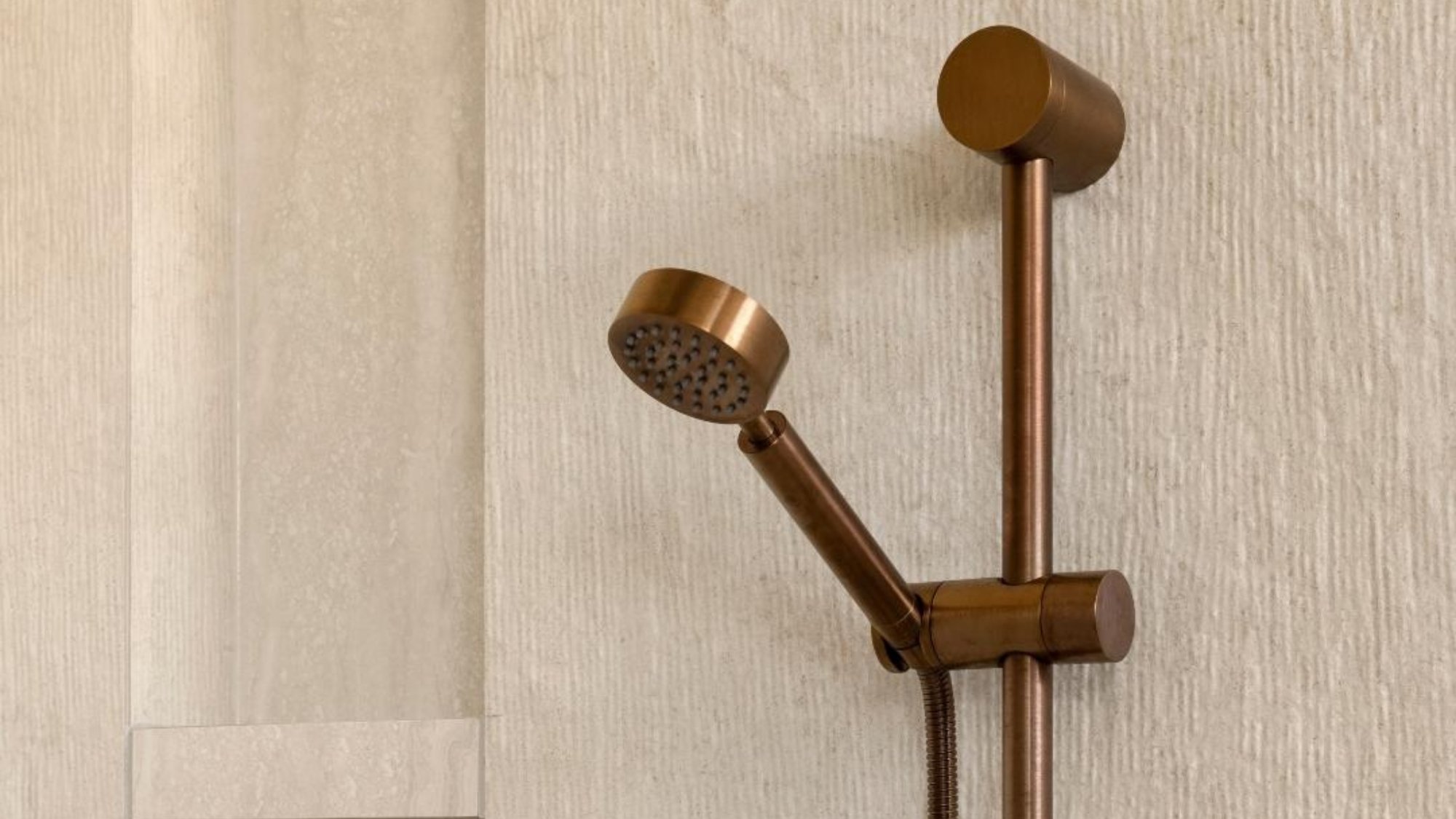
Specified well, a bathroom finish ages quietly. Match the surface to the zone, keep the palette narrow, and let the interplay between matt and polished carry the detail rather than the pattern.